


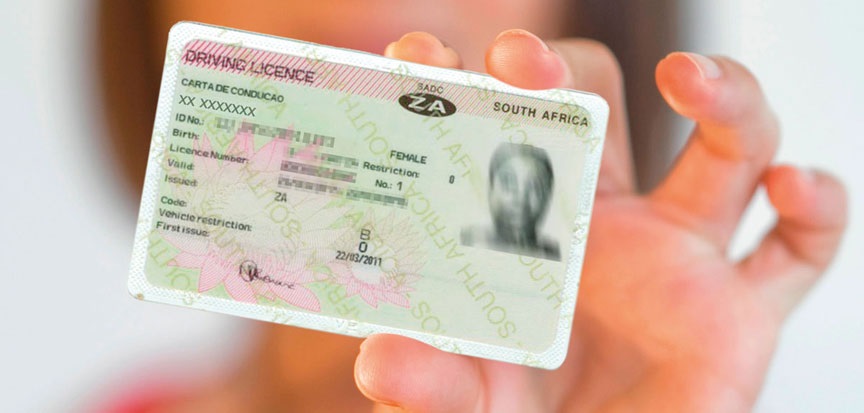
The learner licence pass rate in South Africa has dropped sharply to around 40%, a figure that is sparking conversation across the country about road safety, corruption in licensing centres, and the real standard of driving preparedness on South African roads. What might seem like a worrying decline is, according to authorities, actually a sign that the system is finally starting to clean itself up.
The Road Traffic Management Corporation (RTMC), South Africa’s main road safety authority, says the drop is directly linked to the rollout of computerised learner licence testing systems introduced nationwide in 2021. Before this shift, pass rates were reportedly sitting as high as 68%, but have now fallen to about 40% as the system removes human interference and long-standing loopholes that allowed corruption to thrive.
For many South Africans, getting a learner’s licence has always been the first big step toward independence, whether it’s for work, family responsibilities or simply the freedom of the open road. But the process has also been surrounded by frustration, long queues at licensing departments, repeated failures, and widespread rumours that “connections” or bribes could influence outcomes. The new system is now changing that reality in a very direct way.
According to the RTMC, the computerised system removes the old paper-based method where officials could sometimes know or access question papers in advance. In some cases, this created room for fraudulent assistance, where candidates were allegedly helped to pass without truly understanding road rules or hazard perception. With the new system, question papers are randomly generated and marked electronically, making it far harder for officials to manipulate results.
This shift has exposed something uncomfortable but important: a large number of learners who previously passed may not have been fully prepared for real driving conditions. The lower pass rate is therefore being interpreted not as a decline in education, but as a more accurate reflection of actual driving knowledge in South Africa.
The RTMC has also linked the reform to ongoing anti-corruption efforts in the driving licence system. Over the past few years, multiple arrests have been made involving examiners and driving school officials accused of taking bribes ranging from a few thousand rand to illegally assisting candidates in passing tests. These cases have highlighted how deeply embedded corruption has been in parts of the licensing ecosystem, affecting both learner and driving licence testing centres.
For everyday South Africans, this is not just a policy issue; it is something that affects safety on the roads. Poor driving knowledge contributes significantly to accidents, and authorities argue that a stricter, cleaner testing process is essential in a country where road fatalities remain a serious concern. The RTMC has repeatedly warned that ensuring only competent drivers receive licences is key to reducing crashes caused by human error.
Still, the transition has not been easy for the public. Many learners feel that the tests have become harder, not because the rules have changed, but because the margin for error has disappeared. Without informal “help” from officials, candidates now have to rely entirely on studying the K53 rules and genuinely understanding road signs, rules of the road, and safe driving behaviour.
Across social conversations in South Africa, frustration is common. Learners often describe multiple failed attempts despite studying extensively, while others say the system finally feels fair because it removes the advantage previously held by those willing to pay bribes. This divide reflects a broader national tension between wanting efficiency and fairness, and dealing with a system historically affected by corruption.
At the same time, the drop to 40% is also forcing a behavioural shift. Driving schools are under pressure to improve training quality, learners are revising more seriously, and licensing centres are operating under stricter oversight. In theory, this should produce better prepared drivers entering South African roads, which are among the most congested and accident-prone in the region.
The RTMC has acknowledged that while progress has been made, corruption has not been completely eliminated. Officials have warned that some individuals are still attempting to find new ways to bypass the system, leading to ongoing investigations and further arrests. This suggests that the fight for clean and fair licensing is still ongoing, even with digital systems in place.
Ultimately, the 40% learner licence pass rate in South Africa tells two stories at once. On one hand, it highlights a system that is becoming stricter, more transparent and less vulnerable to manipulation. On the other, it exposes how many learners previously benefited from a flawed process that did not always reflect real driving ability.
For South Africans trying to get their learner’s licence today, the message is clear: the system is tougher, but also more honest. Passing now means something more meaningful than before; it signals a genuine understanding of the rules of the road in a country where safer driving is urgently needed.

