


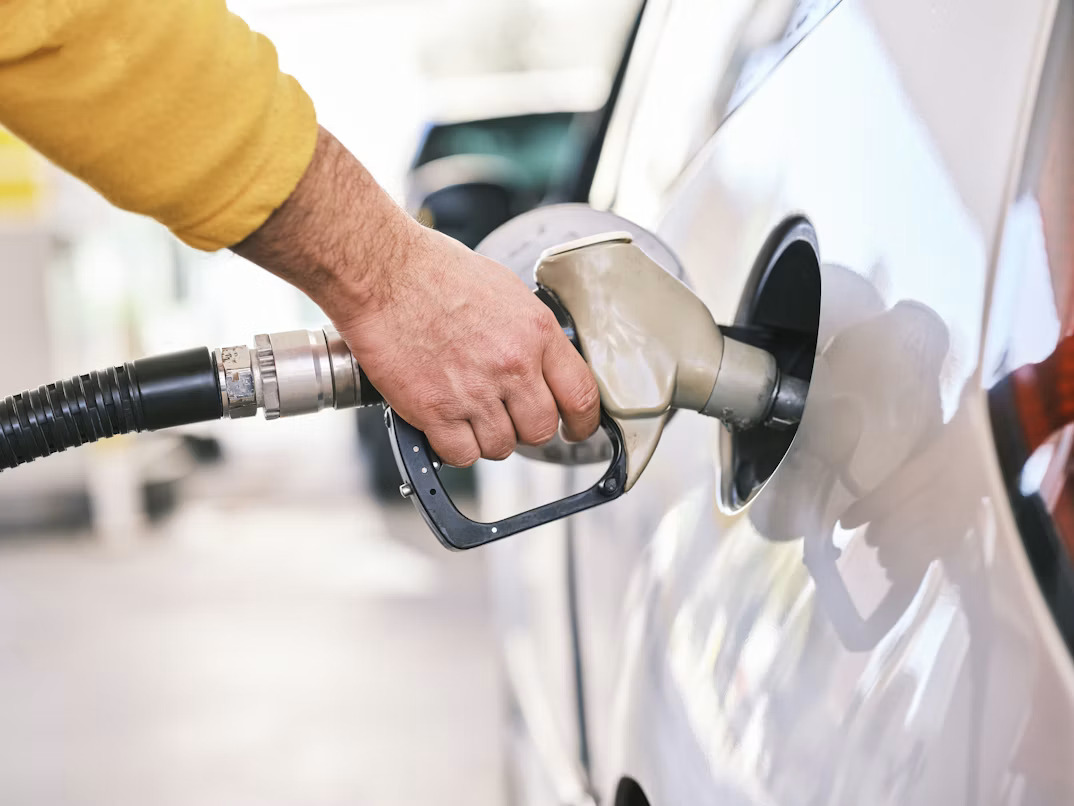
South African motorists are set for another painful trip to the petrol station, with petrol and diesel prices reaching record levels from Wednesday, 7 October 2026.
The biggest change will be seen in 95 petrol, which will increase by R3.33 a litre. In Gauteng and other inland areas, this takes the price to R30.25 a litre, meaning motorists will now pay more than R30 for a litre of 95 petrol.
The price of 93 petrol will increase by R3.12 a litre to R29.88 inland. At the coast, 95 petrol will cost R29.38 a litre.
For someone filling a 50-litre tank with 95 petrol, the latest increase means paying about R166.50 more than in September. A full tank at the new inland price would cost about R1,512.50, before any differences between individual service stations.
Diesel is also taking a significant hit. The wholesale price of 0.05% sulphur diesel is increasing by R2.84 a litre, while 0.005% sulphur diesel is increasing by R3.24 a litre. In Gauteng, the new wholesale prices are R31.95 and R32.80 a litre respectively. Diesel prices at the pump are not regulated in the same way as petrol, so motorists may see different retail prices from one service station to another.
The increase will also be felt by households that use illuminating paraffin. Its wholesale price is rising by R3.58 a litre, while the maximum retail price of LPG is increasing by 42 cents per kilogram nationally and by 48 cents per kilogram in the Western Cape.
The Department of Mineral and Petroleum Resources said the sharp October fuel price increase was largely driven by international oil and petroleum product prices. The average Brent crude oil price increased from US$87.89 to about US$101 during the review period from 28 August to 1 October.
The department linked the higher oil price to continued tensions between the US and Iran, uncertainty around the movement of oil through the Strait of Hormuz, higher shipping costs and declining global inventories. International prices for refined petrol and diesel also increased because of supply shortages.
The rand offered only a small amount of relief. The average rand-dollar exchange rate moved from R16.213 to R16.212 during the review period, which lowered the contribution to fuel prices by less than one cent a litre. In other words, the slightly stronger rand was not enough to offset the jump in international oil and fuel prices.
Another factor is South Africa’s fuel-price stabilisation mechanism. The combined petrol and diesel slate balance was negative by about R10.45 billion at the end of August. As a result, the slate levy increased by 4.38 cents a litre, from 83.28 cents to 87.66 cents.
For ordinary households, the impact goes beyond what is paid at the petrol station. A higher fuel bill can put pressure on the monthly budget, particularly for people who drive to work, take children to school, run small businesses or travel long distances for shopping and other essentials.
Higher fuel costs can also put pressure on the cost of transporting goods. This means businesses that rely heavily on road transport may face higher operating costs, which can eventually affect the prices consumers pay for certain goods and services.
The latest increase therefore comes at a time when many households are already having to watch every rand. For motorists, the immediate question is simple: how can the same monthly fuel budget cover a more expensive tank?
With 95 petrol now above R30 a litre inland, checking fuel consumption, combining trips and planning around unnecessary journeys could become increasingly important for households trying to keep transport costs under control.
The new fuel prices will apply from Wednesday, 7 October 2026, and are scheduled to remain in place until the next monthly adjustment.

