


For anyone who has recently flown from Johannesburg, Cape Town or Durban, it may have felt like South Africa’s airports were getting busier. More people are travelling for holidays, visiting family, heading overseas for work or simply flying between cities instead of spending hours on the road.
The latest figures from Airports Company South Africa (ACSA) show that the feeling is not just anecdotal. ACSA recorded 20.58 million departing passengers during the 2025/26 financial year, with passenger traffic increasing by 8.5% compared with the previous year. Passenger numbers have now recovered to 98% of the levels recorded before Covid-19 disrupted air travel.
That recovery is good news for South African aviation, but it also brings a very familiar problem: when more people use the same roads, shops or public transport systems, pressure builds. Airports are no different.
South Africa’s three biggest airports, OR Tambo International Airport in Johannesburg, Cape Town International Airport and King Shaka International Airport in Durban, account for about 90% of ACSA’s passenger share.
That means when passenger numbers rise, the pressure can quickly be felt at some of the country’s busiest airports. For travellers, it can mean longer queues at busy times, fuller terminals and greater demand for everything from parking and check-in facilities to security and baggage handling.
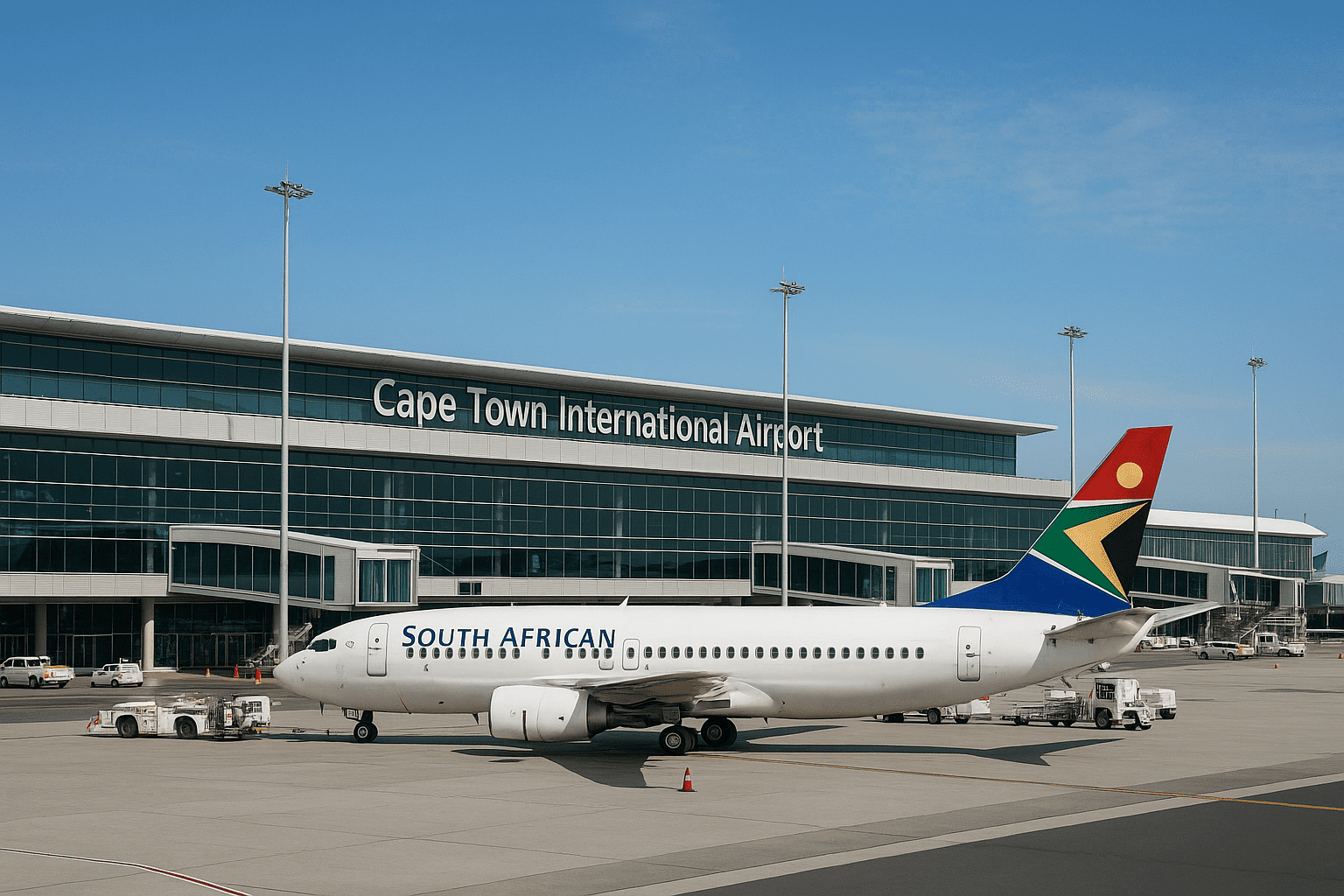
Cape Town International Airport is already experiencing congestion as passenger numbers grow, while OR Tambo International Airport is facing limited slot availability.
ACSA’s next challenge is therefore not simply getting more people through South African airports. It is making sure the airports can comfortably handle the people who are already coming through them.
The company is planning further infrastructure investment, including a new domestic arrivals terminal and upgrades to the international terminal at Cape Town International Airport.
For the person catching a flight, these projects may sound like big airport terminology. In practical terms, however, they are about making airports better able to cope with the number of people using them. And there are plenty of reasons to expect that demand for air travel will remain important.
South Africa’s tourism industry continued its recovery in 2025, with tourist arrivals increasing by 17.7%, according to ACSA’s reporting. International visitors bring demand for flights, airport services, hotels, car hire, restaurants and other parts of the travel economy.
Air travel also plays a major role in connecting South Africa’s cities with the rest of Africa and international destinations. The African aviation market itself recorded strong passenger demand, with demand increasing by 20.6% year-on-year towards the end of ACSA’s reporting period. But growing demand does not mean the industry has an easy ride.
Fuel prices remain an important concern for airlines, while geopolitical developments, changing travel patterns and limited airport capacity can all affect airline operations and the number of flights available on particular routes.
Air cargo is another part of the aviation picture. While global cargo volumes came under pressure, African air cargo showed more resilience, increasing by 7% in March.
That matters beyond the airport itself. Air cargo helps move high-value and time-sensitive goods, linking South African businesses with customers and suppliers locally and internationally.
ACSA’s financial results also show that the company is in a stronger position than during the difficult years of the pandemic. Revenue reached R8.8 billion, while the company reported a profit after tax of R1.2 billion.
It also reduced its debt by R554 million during the year. However, the company did not meet all of its targets. ACSA achieved 10 of its 14 key performance indicators, while capital expenditure came to R2.58 billion against a planned R3.6 billion.
This leaves an important question for the next phase: can airport investment keep pace with passenger growth?
For South Africans, that question is more relevant than it may first appear. A busy airport is often a sign of a busy travel and tourism industry. But if passenger numbers continue increasing, airports need enough space, infrastructure and services to keep the travelling experience moving smoothly.
Whether someone is flying to Cape Town for a weekend, heading to Durban to see family, travelling overseas for work or welcoming international visitors to South Africa, the airport is usually the first and last part of the journey.
ACSA is now looking beyond the recovery from Covid-19 and towards what comes next. The focus is shifting to airport expansion, infrastructure, connectivity, digital transformation and improving the passenger experience. In other words, South Africans are flying again, and the country’s airports now have to be ready for where all those journeys are taking them next.

