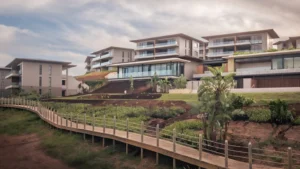
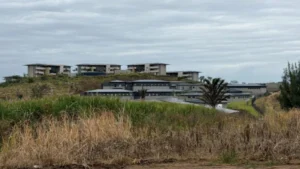
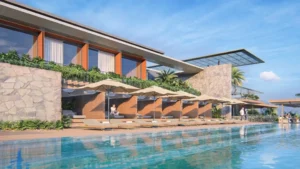
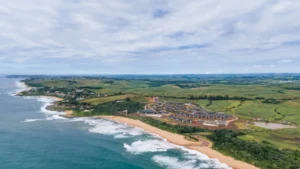
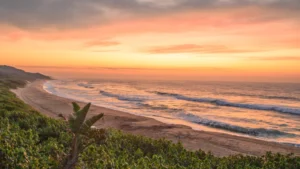
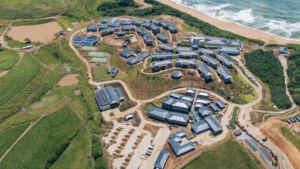
A new R2 billion tourism development on the KwaZulu-Natal North Coast is bringing more than luxury accommodation to the province, with hundreds of permanent jobs and opportunities for local businesses now linked to the resort.
The Club Med South Africa Beach & Safari Resort, located at Tinley Manor on the KwaZulu-Natal North Coast, was officially inaugurated on 17 September 2026. It is Club Med’s first resort in South Africa and combines a beachfront holiday experience with a Big Five safari at the nearby Vikela Safari Lodge.
For people living in KwaZulu-Natal, however, one of the biggest talking points is the economic activity expected to happen beyond the resort itself.
According to information presented at the official opening, more than 2,300 direct and indirect jobs were created during construction. The completed development has created 600 permanent direct jobs, while about 1,500 additional jobs are supported through suppliers and related industries.
That means the impact is not limited to people working inside the resort.
A large tourism operation needs food, transport, maintenance, cleaning, logistics, entertainment and other services to keep running. This creates potential opportunities for farmers, small businesses, transport operators, tourism companies and other local suppliers.
Tourism Minister Patricia de Lille, delivering an address on behalf of President Cyril Ramaphosa at the opening, highlighted the importance of local procurement and giving smaller businesses access to supplier opportunities.
For a small business in KwaZulu-Natal, this can arrive at a major resort more significant than simply having another place for tourists to stay.
The resort’s workforce also has a strong local component. Government said 84% of employees at the Beach Resort are South African, while all employees at the Vikela Safari Lodge were recruited from surrounding communities.
Club Med also said more than 100 young South Africans who completed hospitality training through its partnership with the Nukakamma Talent Development Centre are now employed at the resort. The programme included classroom learning, practical experience, industry exposure and mentorship.
The development is also notable as a South African-funded investment. Club Med said the resort is owned and developed by Tinley Leisure, with shareholders including African Bank, the Industrial Development Corporation, investors represented under the Trevally banner and Tinley Leisure Women Investments. Absa Bank is the lender, while Collins Residential is the development partner.
The resort represents more than R2 billion in investment. It has been described by government as the largest hospitality investment in South Africa and the broader Southern African Development Community since Sun City opened in the 1970s.
Its timing also comes as South Africa’s tourism industry records growth. Government figures cited at the opening show that 6.5 million international tourists arrived in South Africa between January and July 2026, 12.4% higher than during the same period in 2025.
For KwaZulu-Natal, the new Club Med resort adds another major attraction to the province’s tourism offering, linking the beaches of the North Coast with wildlife experiences in northern KwaZulu-Natal.
For everyday South Africans, the bigger story may ultimately be what happens around the resort. If local suppliers, workers and smaller tourism businesses continue to benefit, the R2 billion investment could create an economic footprint that stretches well beyond the resort’s gates.