


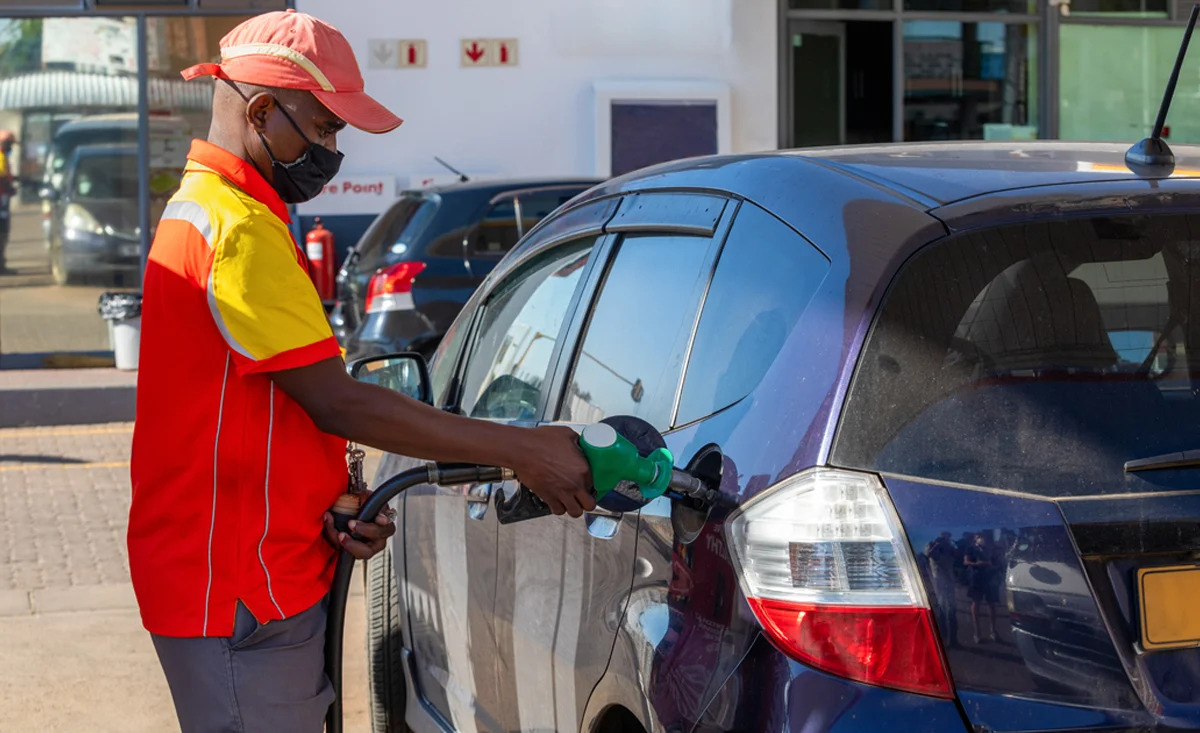
South African motorists may need to brace for yet another fuel price increase in June, with early data pointing to more pain at the pumps after May’s sharp hikes. While diesel prices could see slight relief, petrol users are once again expected to take the biggest knock as global oil instability, a weaker rand, and fuel levy adjustments continue to squeeze consumers and businesses alike.
According to recent data from the Central Energy Fund (CEF), petrol is currently showing significant under-recoveries, meaning current pump prices are lower than what fuel is actually costing South Africa to import and distribute. If current trends continue, motorists could face another sizeable increase when the official June adjustments are announced.
This follows one of the steepest fuel price shocks the country has experienced in recent years. In May, petrol prices surged above R26 per litre in some inland areas, while diesel prices crossed the R32 mark.
The latest pressure on prices is being driven largely by international factors. Ongoing instability in the Middle East has pushed global oil prices higher, while the rand has remained under strain against the US dollar. Since South Africa imports most of its fuel, and oil is traded globally in dollars, any weakening of the currency immediately pushes local fuel costs higher.
At the same time, government fuel levy relief measures introduced earlier this year are gradually being phased out. Treasury had temporarily reduced the general fuel levy to soften the blow for consumers, but parts of that relief are now being scaled back, adding more pressure to pump prices heading into winter.
The impact is extending far beyond motorists.
Petrol stations across South Africa are increasingly under financial strain as operating costs rise while fuel retail margins remain tightly regulated. Industry players have warned that many filling stations are battling to stay profitable amid declining fuel volumes, higher electricity costs, growing security expenses, and rising maintenance bills.
Smaller independent stations are believed to be among the hardest hit, particularly in areas where consumers are already cutting back on travel and spending. Higher fuel prices also tend to reduce discretionary driving, meaning motorists fill up less often or buy smaller amounts of fuel at a time.
Recent fuel hikes have already caused disruption at several service stations around the country. Ahead of previous increases, some stations temporarily ran dry as motorists rushed to fill up before the new prices kicked in. Reports also emerged of stations rationing fuel or limiting diesel sales due to supply pressures and pricing concerns.
For ordinary South Africans, the effects are felt well beyond the petrol pump. Rising fuel prices usually lead to higher transport costs, more expensive food prices, increased delivery fees, and additional pressure on already stretched household budgets.
Businesses that rely heavily on logistics, transport, and delivery services are also facing mounting costs, which often get passed on to consumers. Economists have repeatedly warned that sustained fuel increases can worsen inflation and slow economic recovery, especially in a country already dealing with high unemployment and weak consumer spending.
Although official June fuel prices will only be confirmed closer to the month-end, early indicators suggest that motorists should prepare for another difficult month on the road.

