


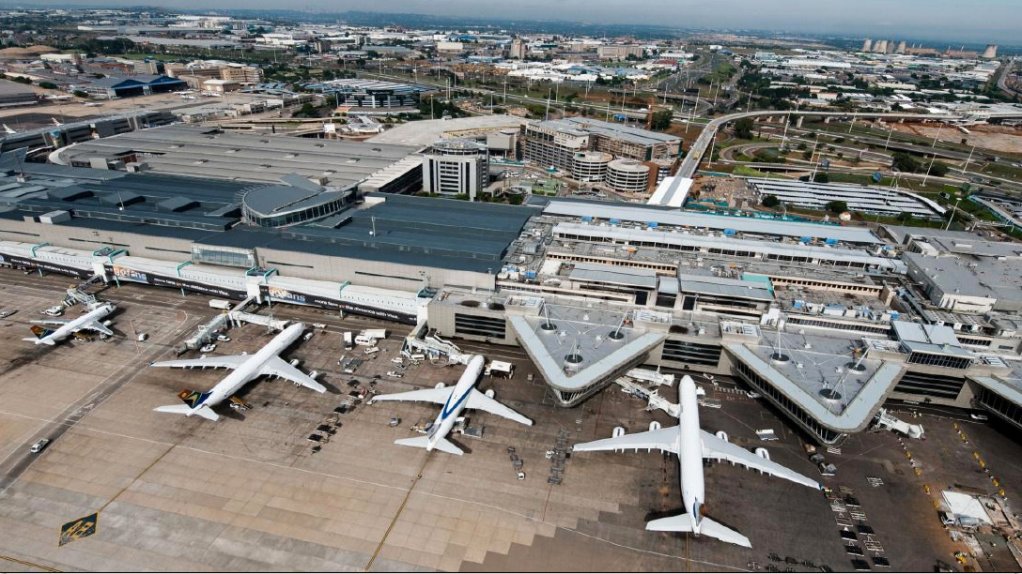
A jet fuel shortage in South Africa is putting airlines on alert as problems at the Natref refinery threaten to squeeze aviation fuel supplies at OR Tambo International Airport, the country’s busiest airport and one of its most important gateways to the rest of Africa and the world.
The disruption follows an unplanned stoppage at Sasol’s Natref refinery in Sasolburg, which has affected the company’s ability to meet some of its fuel supply commitments. Jet fuel is among the products affected, raising concerns about how airlines will maintain their operations if normal supplies remain under pressure.
For South Africans with flights booked through Johannesburg, the news may sound worrying. However, airlines are already putting measures in place to manage the situation, and the current fuel shortage does not mean that OR Tambo is running out of fuel or that flights are being cancelled across the board.
The problem is linked to an unexpected stoppage at the Natref refinery, which is an important source of fuel for South Africa’s inland market. Sasol has confirmed that the disruption has affected its ability to meet full supply commitments for certain products, including jet fuel supplied to OR Tambo International Airport.
The refinery had already been undergoing planned maintenance when the additional technical problem occurred. This has placed further pressure on aviation fuel supplies at a time when airlines need consistent access to jet fuel to maintain domestic, regional and international flight schedules.
Sasol has said it will continue partially supplying its jet fuel customers at the airport while efforts are made to restore normal refinery operations. The company is also working with customers and other parties to manage the impact of the disruption.
For passengers, the important point is that OR Tambo International Airport remains operational. The current issue is a supply shortfall rather than an announcement that the airport has run out of aviation fuel.
Airlines, however, cannot afford to wait until fuel supplies become critically low before responding. They have therefore started looking at alternative suppliers and operational measures that can help them keep aircraft flying while the situation is being resolved.
FlySafair, one of South Africa’s largest domestic airlines, has said it is increasing supplies from alternative providers and making adjustments to its operations. One measure being considered is “tankering”, where aircraft carry additional fuel so that they require less fuel at another airport.
For passengers, this is mostly something happening behind the scenes. You are unlikely to know that an aircraft has been carrying additional fuel unless the airline makes an announcement, but these measures can be important when an airport is experiencing a temporary fuel supply problem.
At this stage, passengers should not assume that their flights will be cancelled because of the OR Tambo jet fuel shortage. Airlines are actively working to secure alternative supplies and manage their fuel requirements to prevent the disruption from affecting normal flight schedules.
That does not mean passengers should ignore the situation. Anyone flying through Johannesburg, particularly those with connecting domestic or international flights, should check their flight status before leaving for the airport and keep an eye on messages from their airline.
A delay at OR Tambo can have consequences beyond a single flight. Someone travelling from Durban to Johannesburg and then connecting to London, for example, could find that even a relatively small delay affects the rest of the journey. This is why passengers should rely on their airline for updates rather than social media rumours about widespread cancellations.
Motorists also need to understand an important distinction. The current concern is jet fuel, which aircraft use, and should not be confused with a national shortage of petrol or diesel for motorists.
South Africans therefore do not need to rush to filling stations to stock up on petrol because of the latest reports from OR Tambo. While aviation fuel, petrol and diesel are all part of the wider petroleum industry, they are different products and the current disruption is specifically focused on aviation fuel.
For the person driving to work, taking children to school or planning a road trip, there is no reason to panic-buy fuel because of the airport situation.
The latest disruption highlights a much larger issue around South Africa’s fuel security. The country has lost a significant amount of its domestic refining capacity over the past several years and is increasingly reliant on imported refined petroleum products to meet demand.
This means problems at local refineries can place additional pressure on other parts of the fuel supply chain. When domestic production is interrupted, suppliers may have to turn to imports or alternative sources, while also dealing with the infrastructure needed to move those products to where they are required.
Aviation is particularly sensitive to these disruptions because airports need a continuous and reliable supply of jet fuel. OR Tambo is especially important because it handles large volumes of domestic, regional, and international traffic and serves as a major hub for travellers across Southern Africa.
The latest situation is not the first time that problems at Natref have affected aviation fuel supplies. In 2025, a fire at the refinery disrupted jet fuel supplies to OR Tambo and prompted emergency measures to ensure that the airport continued receiving enough fuel.
The repeat disruption has once again placed jet fuel supply in South Africa under the spotlight. It raises questions about how resilient the country’s fuel infrastructure is when one of its major sources of inland fuel experiences an unexpected problem.
South Africa’s reliance on imported refined fuel means international supply conditions, shipping, logistics and local infrastructure all play a role in keeping the country supplied. A disruption at one point in that chain can therefore put pressure on the rest of the system.
The situation could eventually have an impact on airline costs, although it is too early to say whether passengers will see higher ticket prices as a direct result of the current shortage.
Jet fuel is one of the largest expenses for airlines, meaning that having to source fuel from alternative suppliers or make operational changes can increase costs. If those higher costs continue for an extended period, airlines may eventually have to consider how much of the increase can be absorbed and how much may need to be passed on to passengers.
For now, however, the industry’s focus is on maintaining fuel supplies and keeping flights operating. A short-term disruption does not automatically mean that airfares will increase.
Passengers travelling through OR Tambo International Airport should continue with their plans unless their airline tells them otherwise. The most sensible step is to check the status of your flight before leaving home and to keep your airline’s notifications switched on in case there are changes to the schedule.
Travellers with connecting flights should pay particular attention to any delays, as a disruption on one part of a journey can affect the rest of the trip. If you are travelling internationally, it is especially important to know what your airline’s policy is if a delay causes you to miss a connecting flight.
Most importantly, passengers should not rely on rumours. A warning about a jet fuel shortage at OR Tambo does not mean that every flight is about to be cancelled.
While the immediate concern is about aviation fuel, the latest disruption speaks to a much wider issue facing South Africa. Fuel is essential to the economy, whether it is being used by aircraft carrying tourists, trucks transporting goods, taxis moving commuters or cars taking people to work.
That is why the country’s ability to produce, import, store and distribute fuel reliably matters far beyond the energy sector. When fuel supplies are disrupted, the effects can eventually reach transport costs, business operations, tourism and consumers.
For now, the message for passengers is fairly simple: do not panic but stay informed. Airlines are working on alternative fuel arrangements, and the industry is monitoring the situation closely.
For South Africa, however, the latest jet fuel shortage is another reminder that fuel security is closely tied to economic security. Keeping aircraft in the sky is only one part of the challenge; keeping the country’s wider transport and logistics network moving is the bigger one.

