


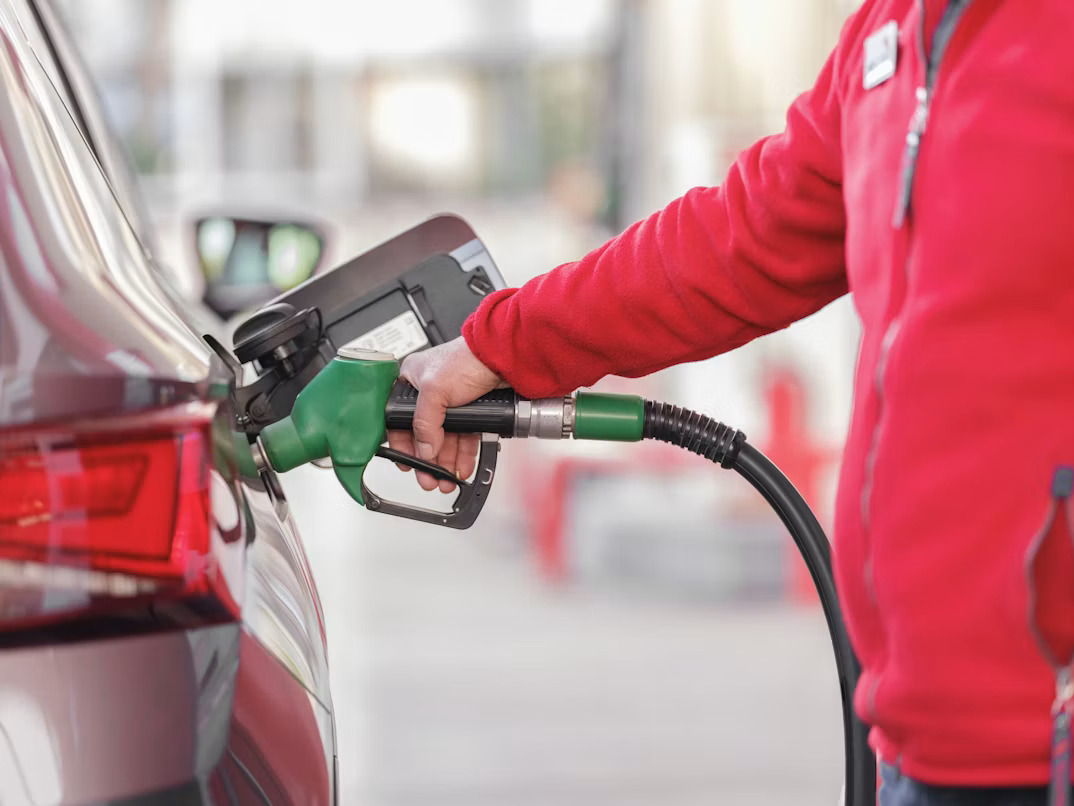
South African motorists are heading into September with another hit to their pockets, as petrol and diesel prices increase from Wednesday, 2 September 2026.
For anyone who fills up regularly, the timing could not be worse. The new fuel prices mean that getting to work, taking the children to school, running errands or travelling between cities will cost more from this week.
The Department of Mineral and Petroleum Resources has confirmed that both grades of petrol will increase by R1.34 per litre. Diesel motorists face an even bigger increase, with 0.05% sulphur diesel rising by R2.94 per litre and 0.005% sulphur diesel increasing by R3.15 per litre.
For motorists using 95 unleaded petrol, the new inland price in Gauteng will be R26.92 per litre, while 93 unleaded petrol will cost R26.76 per litre. At the coast, 95 petrol will cost R26.05 per litre.
That means filling a 50-litre petrol tank with 95 unleaded in Gauteng will cost about R1,346 once the new price comes into effect. Compared with the previous month, that is roughly R67 more for the same tank of fuel.
For many households, R67 may not sound like a massive amount on its own, but repeated every time the car is filled, it can quickly become another expense competing for space in an already tight monthly budget.
The latest South Africa fuel price increase has been driven largely by higher international oil and petroleum product prices.
According to the Department of Mineral and Petroleum Resources, the average Brent crude oil price increased from US$82.37 to US$87.85 during the period used to calculate the September adjustment. The department linked the increase to ongoing US-Iran tensions, uncertainty around oil flows through the Strait of Hormuz and higher shipping costs.
International prices for petrol, diesel and illuminating paraffin also increased, with supply shortages and lower global inventories adding further pressure.
The rand did provide some relief. The currency strengthened against the US dollar, moving from an average of R16.46 to R16.26 during the period under review. However, the stronger rand was not enough to offset the higher international fuel costs.
Another factor is South Africa’s Slate Levy.
The cumulative slate balance for petrol and diesel was negative by R9.519 billion at the end of July. As a result, the Slate Levy is increasing by 21.90 cents per litre, from 61.38 cents to 83.28 cents per litre from 2 September.
There is also a 4.9 cents-per-litre adjustment to the petrol price structure to accommodate the annual wage adjustment for forecourt employees under the Motor Industry Bargaining Council agreement.
While petrol motorists will feel the increase, diesel users are facing a much heavier jump.
Diesel 0.05% sulphur will increase by R2.94 per litre, while 0.005% sulphur diesel will rise by R3.15 per litre.
For someone putting 100 litres of diesel into a vehicle, the September increase alone could add roughly R294 to R315 to the cost of the fill-up.
This matters beyond private motorists. Diesel is widely used by trucks, delivery vehicles, buses, agricultural machinery and other commercial operations. Higher diesel costs can therefore have a knock-on effect on the cost of transporting goods around South Africa.
That can eventually show up in the prices consumers pay for everyday products, particularly when businesses have to spend more to move goods from suppliers to warehouses, shops and customers.
Wholesale illuminating paraffin will increase by R2.13 per litre, while the Single Maximum National Retail Price for illuminating paraffin will rise by R2.84 per litre. LPGas will increase by 69 cents per kilogram, with a 79-cent-per-kilogram increase applying in the Western Cape.
For households that rely on paraffin or LPGas for cooking, heating or other everyday needs, these increases could put further pressure on household budgets.
If your monthly transport budget was already carefully calculated, the extra cost could mean making adjustments elsewhere. Some motorists may choose to combine errands, carpool where possible, reduce unnecessary trips or make better use of public transport.
For people who drive long distances to work every day, however, there may be very little room to cut back.
The September fuel price increase is also a reminder that petrol prices in South Africa are influenced by factors far beyond what happens at the local filling station. International oil prices, the rand-dollar exchange rate, shipping costs, global supply conditions and local levies all play a role in determining what motorists ultimately pay.
For now, South Africans will have to prepare for more expensive fuel from Wednesday, 2 September.
And for anyone who has been thinking, “I should probably fill up before the price goes up,” this is the week when that decision starts to matter.

