


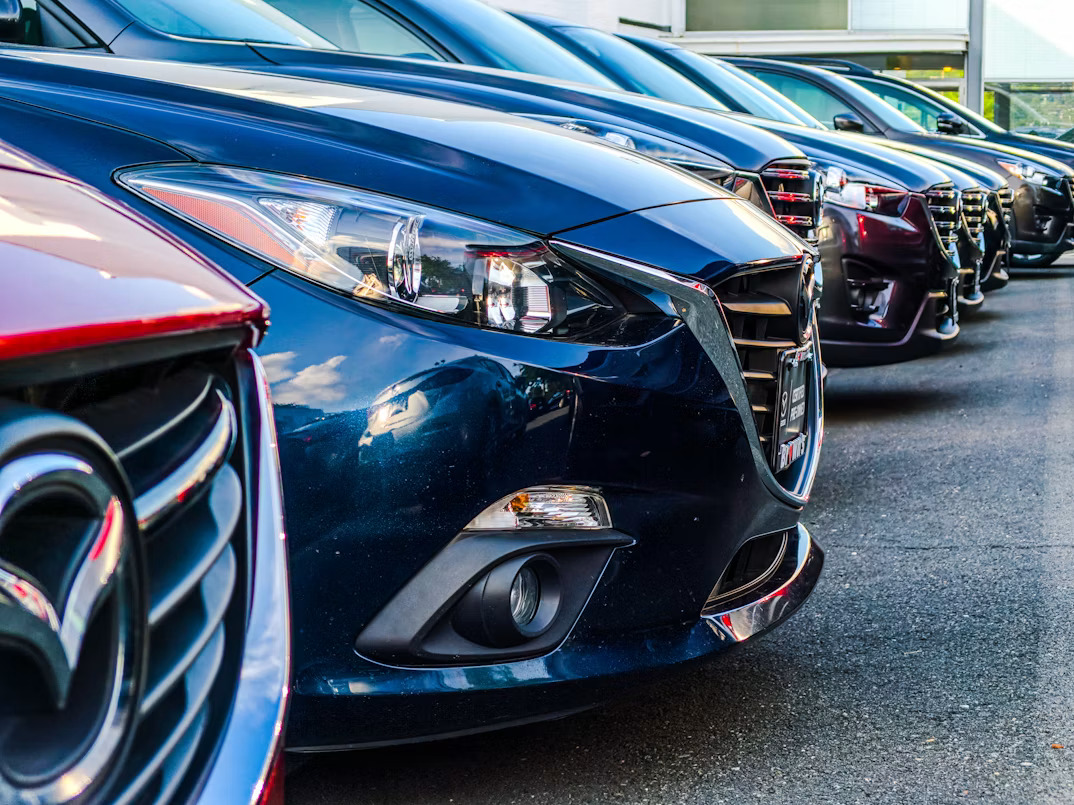
The days of automatically choosing a brand-new vehicle may be fading. A recent Santander study has found that 81% of car shoppers are considering buying a used vehicle, signalling a major shift in consumer priorities as affordability, practicality, and long-term value become more important than owning the latest model.
What is driving the growing demand for used cars? According to the research, consumers are increasingly focused on finding the best value for money when purchasing a vehicle. Rising new-vehicle prices, economic uncertainty, and rising ownership costs are encouraging buyers to explore alternatives in the pre-owned vehicle market.
For South Africans, the findings are particularly relevant. Rising vehicle prices, higher fuel costs, increasing insurance premiums, and ongoing pressure on household budgets have made consumers far more conscious about where their money goes. Rather than focusing on status or image, many buyers are looking for vehicles that offer the best balance between price, features, reliability, fuel efficiency, and running costs.
The study suggests that consumers are becoming more strategic with their purchases and are increasingly treating vehicle ownership as a financial decision rather than an emotional one. This shift reflects broader trends in the automotive industry, where affordability and long-term ownership costs are becoming key factors influencing vehicle-buying decisions.
Buyers Want More Value for Their Money
One of the standout findings from the research is that 76% of respondents said they would rather buy a used vehicle with premium features than purchase a brand-new vehicle with only basic specifications.
Why are buyers choosing used vehicles with more features? Many consumers believe that a well-maintained used vehicle offers significantly better value than a new entry-level model. Buyers can often access higher trim levels, advanced safety technologies, premium interiors, infotainment systems, and additional convenience features at a lower price point.
This reflects a growing belief among consumers that a well-maintained used vehicle can offer significantly better value than an entry-level new model.
Key findings from the study include:
- 81% of car shoppers are considering purchasing a used vehicle.
- 76% would choose a used vehicle with higher trim levels and more features over a new base-model vehicle.
- 79% of respondents rely on their vehicle for commuting and daily transportation.
- 71% said they would sacrifice other expenses to keep their vehicle.
For many households, vehicle ownership is no longer viewed as a luxury. Reliable transport remains essential for getting to work, taking children to school, running businesses, attending appointments, and maintaining daily mobility.
The growing demand for used cars also reflects increased confidence in the pre-owned vehicle market. Buyers today have access to more information than ever before, allowing them to research vehicle history reports, compare vehicle models, evaluate ownership costs, assess reliability ratings, and make informed purchasing decisions before visiting a dealership.
Fuel Efficiency, Hybrids, and EVs Are Influencing Decisions
The research also highlights the growing importance of fuel efficiency when consumers shop for vehicles.
What factors are influencing modern car-buying decisions? Rather than focusing solely on the purchase price, buyers are increasingly considering the total cost of vehicle ownership, including fuel consumption, maintenance costs, insurance premiums, depreciation, servicing expenses, and long-term operating costs.
This trend is driving greater interest in hybrid vehicles, which many consumers see as a practical compromise between traditional petrol-powered cars and fully electric vehicles. Hybrids offer improved fuel economy while avoiding some of the concerns surrounding charging infrastructure, range limitations, and charging accessibility.
Electric vehicles (EVs) are also attracting growing attention, although adoption remains gradual. Consumers are becoming more aware of the long-term savings associated with EV ownership and are taking the time to understand how electric mobility, charging requirements, battery longevity, and operating costs could fit into their lifestyles.
Another notable finding is that buyers are becoming more active and informed throughout the purchasing process. Consumers are conducting more online research, comparing vehicle options, reading reviews, visiting dealerships, checking vehicle histories, and taking test drives before making final decisions.
The study also found that many middle-income consumers remain relatively confident in their financial situations despite ongoing economic pressures. However, that confidence is not translating into reckless spending. Instead, buyers continue to prioritize affordability, reliability, fuel economy, and value while carefully weighing every major purchase.
Ultimately, the findings paint a clear picture of today’s automotive market. Consumers are no longer simply looking for the newest vehicle available. They are looking for the smartest purchase. Whether that means choosing a feature-packed used car, a fuel-efficient hybrid vehicle, or even exploring an electric vehicle, buyers are increasingly focused on maximizing value while minimizing long-term ownership costs.
As economic pressures continue to shape spending habits, the popularity of used vehicles is likely to remain strong. The used car market is increasingly becoming the preferred choice for buyers seeking affordability, reliability, lower ownership costs, and better overall value for money. With consumers placing greater emphasis on financial practicality, value-for-money is expected to remain one of the most important factors influencing car-buying decisions in South Africa and globally.

