


South Africa’s automotive industry received another boost in May 2026, with new vehicle sales recording strong growth as more consumers and businesses returned to the market.
According to the latest figures released by Naamsa, the Automotive Business Council, 45,308 new vehicles were sold in South Africa during May 2026. This represents an increase of 22.0% compared to May 2025, making it one of the strongest monthly performances seen in recent years.
For many South Africans, buying a new vehicle remains a significant financial commitment. Between rising living costs, fuel prices, and economic uncertainty, many households have been cautious about making large purchases. However, the latest vehicle sales figures suggest that confidence is slowly returning, helped by lower inflation, easing interest rates, and increased competition among manufacturers.
The biggest contributor to May’s performance was the passenger vehicle market, which continued to gain momentum as consumers took advantage of improved financing conditions and a growing selection of affordable models.
Vehicle Sales in May 2026
The latest Naamsa figures show:
- Total new vehicle sales: 45,308 units
- Passenger car sales: 31,741 units
- Light commercial vehicles, bakkies and minibuses: 10,997 units
- Medium commercial vehicles: 681 units
- Heavy trucks and buses: 1,889 units
- Year-on-year growth: 22.0%
The figures indicate that demand remains healthy across multiple vehicle categories, with passenger vehicles leading the charge.
One of the clearest trends emerging from the data is that South Africans continue to prioritise value for money. Buyers are increasingly looking for vehicles that offer affordability, reliability, fuel efficiency, and lower maintenance costs.
Several familiar names continued to dominate sales charts during May, with budget-friendly hatchbacks and popular bakkies remaining favourites among consumers and businesses alike.
The country’s best-selling vehicles included:
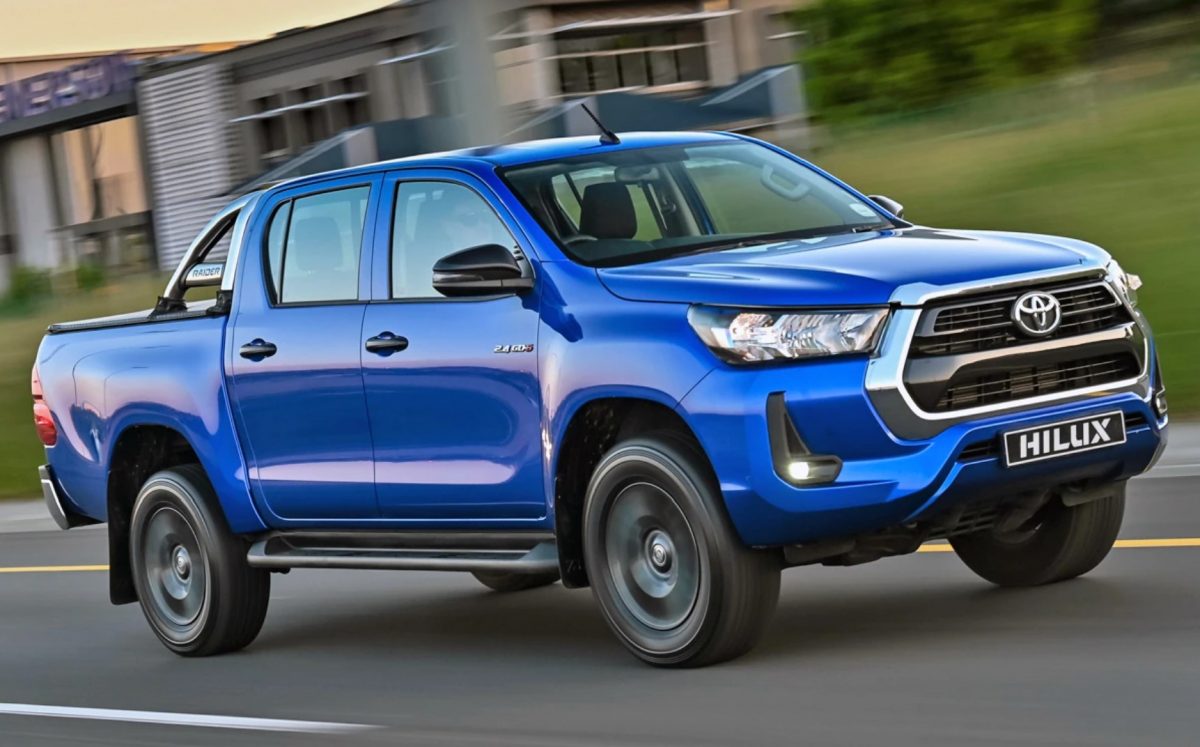
- Toyota Hilux
- Ford Ranger
- Volkswagen Polo Vivo
- Suzuki Swift
- Toyota Corolla Cross
- Isuzu D-Max
- Chery Tiggo 4 Pro
The continued success of models such as the Volkswagen Polo Vivo and Suzuki Swift shows that affordability remains a major factor influencing purchasing decisions. At the same time, the strong performance of the Hilux, Ranger, and D-Max highlights the ongoing popularity of bakkies among South African consumers and fleet operators.
Several factors appear to be supporting the recovery in South Africa’s automotive market.
Interest rate expectations have improved compared to previous years, making vehicle financing slightly more accessible for many consumers. Inflation has also eased from the highs experienced over the past few years, helping households regain some spending power.
In addition, competition within the industry has intensified. New entrants, particularly Chinese vehicle manufacturers, continue to offer feature-rich vehicles at competitive prices, giving consumers more choice than ever before.
Many buyers who delayed purchasing a vehicle during periods of economic uncertainty are also beginning to return to dealerships, contributing to stronger sales numbers.
Vehicle sales are often viewed as a useful measure of consumer confidence and economic activity. When consumers and businesses feel more optimistic about their finances, vehicle purchases tend to increase.
The strong May 2026 performance suggests that both individual buyers and companies are becoming more willing to invest in new vehicles despite ongoing economic challenges.
Naamsa described the results as evidence of a market that continues to demonstrate resilience, supported by improving economic conditions and sustained demand across several vehicle segments.
While affordability remains a concern for many South Africans, the latest sales figures indicate that the automotive sector is heading in a positive direction. If current trends continue, 2026 could prove to be one of the strongest years for South Africa’s vehicle market since the disruptions caused by the pandemic and subsequent economic pressures.
For motorists, the message is simple: more competition, more choice, and improving market conditions are helping to drive South Africa’s new vehicle sales recovery, with thousands of buyers returning to showrooms every month.

