


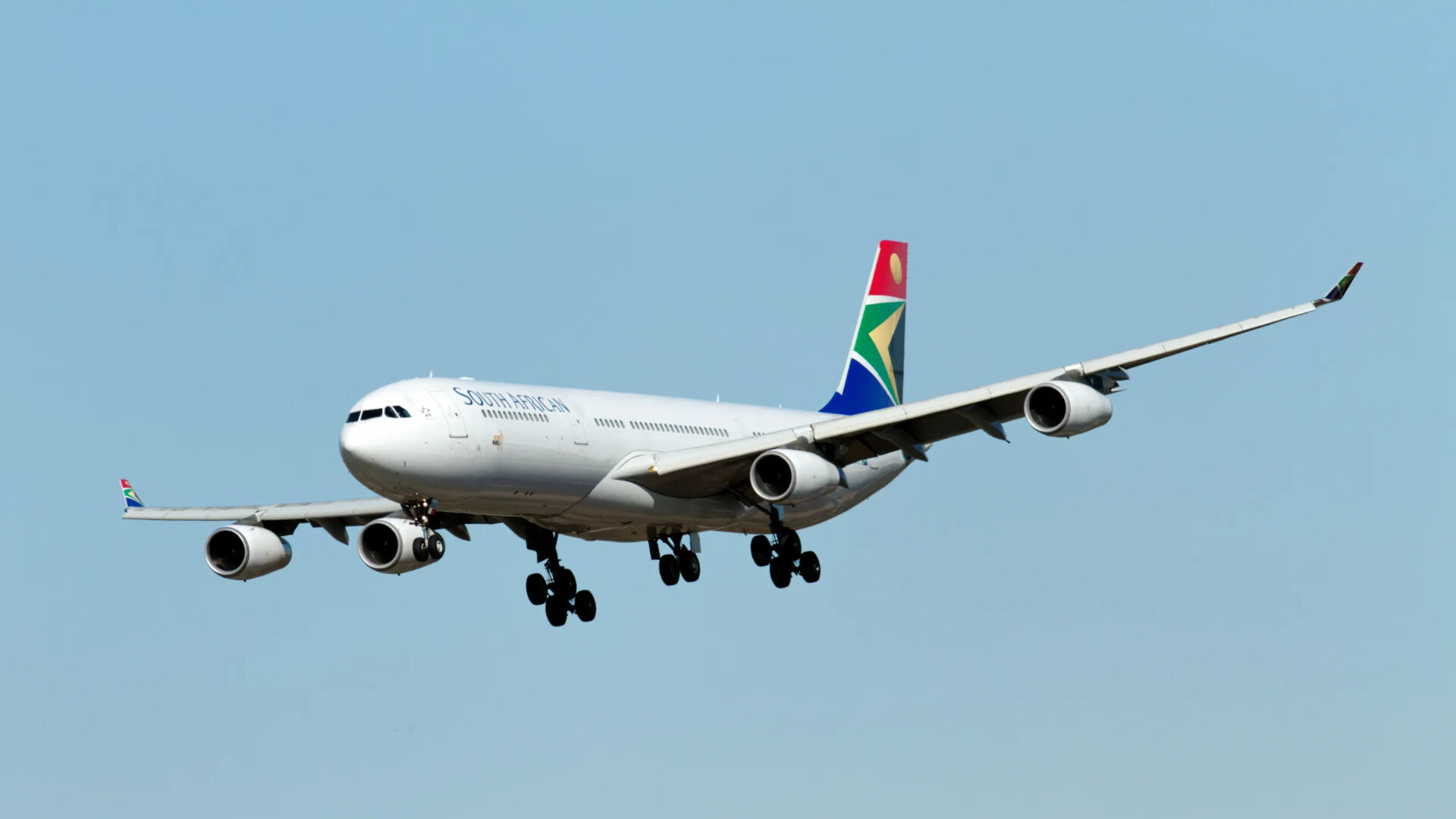
“South Africa is positioning itself to strengthen its aviation and air freight capabilities as part of a broader logistics reform strategy, outlining a clear roadmap to expand capacity, improve infrastructure, and attract private sector participation in the air cargo sector.”
South Africa is advancing plans to expand its air cargo sector as part of a wider logistics reform programme aimed at modernising transport networks and improving competitiveness in global trade.
The strategy focuses on growing air freight capacity, upgrading airport infrastructure, and increasing private sector participation to improve efficiency across aviation logistics.
Air cargo capacity expansion and airport upgrades
A key priority is scaling up air freight handling capacity to approximately 1.2 million tonnes annually through Airports Company South Africa (ACSA) facilities by the end of the current political cycle. This goal is aligned with broader aviation targets that aim to handle around 42 million passengers annually across the national airport network, reflecting an integrated approach to airport development.
OR Tambo International Airport remains the central hub for air freight activity, with planned upgrades to cargo terminals designed to ease congestion, improve turnaround times, and support higher volumes of international shipments.
These improvements are supported by significant infrastructure investment across the airport network, with multi-billion rand funding allocated to modernise facilities, enhance operational systems, and expand capacity. The upgrades are expected to improve efficiency, reliability, and safety while supporting broader trade and tourism growth.
Fuel stability and private sector involvement
Improving jet fuel supply reliability is another key focus area, following previous disruptions that affected airport operations. Ongoing interventions aim to stabilise fuel availability and strengthen infrastructure to ensure consistent support for air cargo operations, particularly for time-sensitive goods such as pharmaceuticals, perishables, and high-value exports.
At the same time, private sector participation is being prioritised to accelerate development in the aviation sector. With limited public funding capacity, partnerships are being encouraged in cargo terminal development, airport upgrades, and logistics operations. This approach is intended to unlock investment, improve efficiency, and support faster infrastructure delivery.
The air cargo expansion forms part of a broader national logistics strategy aimed at improving freight movement across road, rail, port, and air systems. Strengthening air freight capacity is expected to support export-led industries, improve regional trade connectivity, and reinforce South Africa’s position as a key logistics gateway into Africa.
While challenges such as infrastructure backlogs and operational constraints remain, the direction of policy signals a clear push toward modernising the aviation freight sector. If successfully implemented, the expansion could reduce logistics costs, improve trade efficiency, and strengthen South Africa’s global competitiveness in air cargo markets.

