


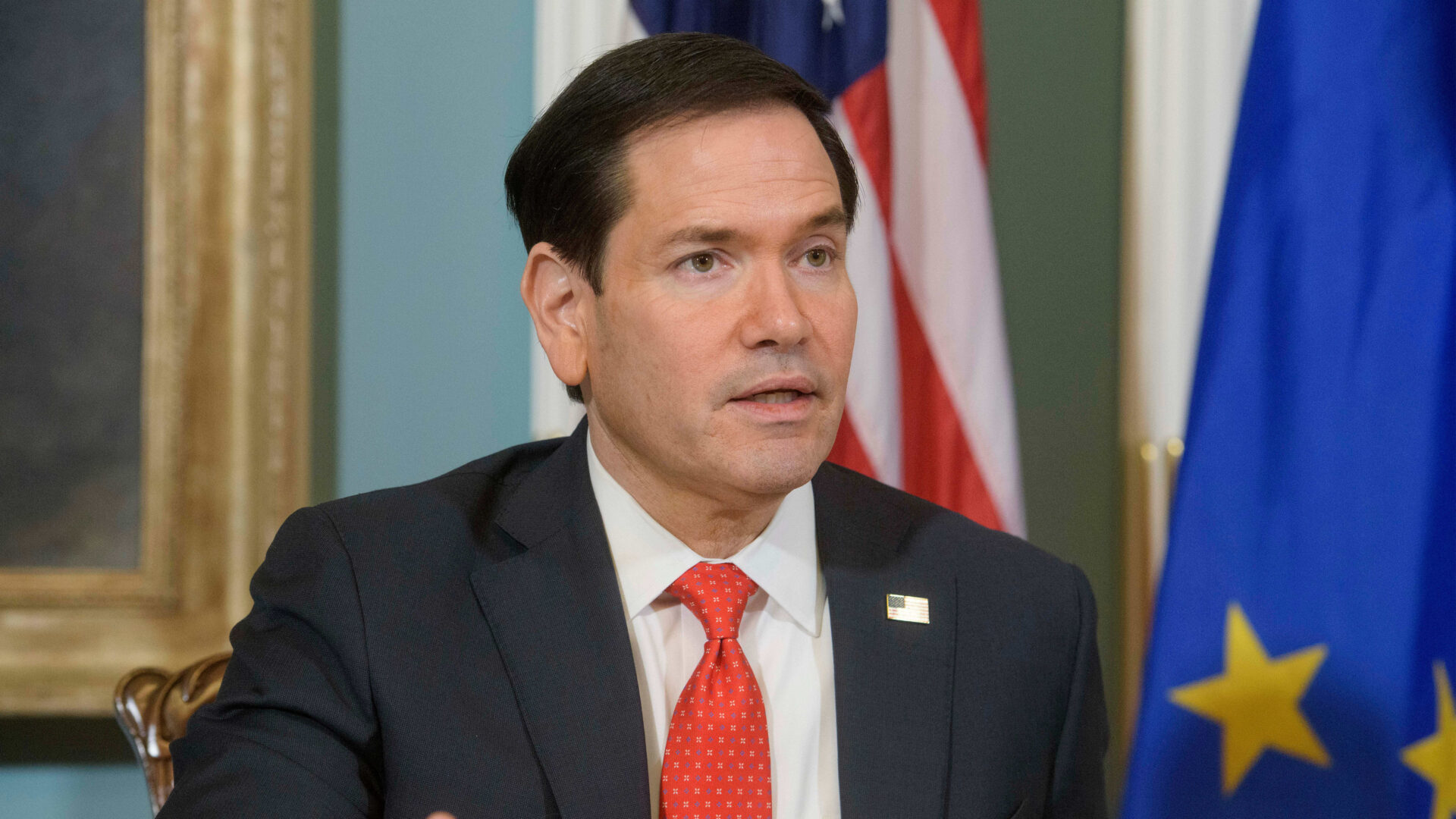
South Africans planning to travel to the United States may be wondering what the latest visa announcement means for them after Washington introduced new visa restrictions targeting certain people linked to race-related policies in South Africa.
The United States announced the new restrictions on Tuesday, 15 September 2026, saying they would apply to foreign nationals who are responsible for or complicit in certain actions involving South Africa.
Importantly, the announcement is not a blanket visa ban on South Africans and does not mean that ordinary South Africans with plans to visit the US are automatically affected.
US Secretary of State Marco Rubio said the new policy targets people linked to the enactment or implementation of laws or policies that the US says enable uncompensated land seizures, race-based discrimination or the incitement of imminent violence against minority ethnic or racial groups in South Africa.
The announcement comes amid ongoing disagreements between the US and South African governments over land reform, race-related policies and other foreign-policy issues.
Who Could Face the New US Visa Restrictions?
According to the US announcement, the restrictions are aimed at foreign nationals who are considered responsible for, or complicit in, specific actions or policies.
These include people linked to:
- The enactment or implementation of policies that enable uncompensated land seizures.
- Race-based discrimination.
- Incitement of imminent violence against minority ethnic or racial groups in South Africa.
The US has also indicated that certain family members of people covered by the restrictions could potentially be affected.
The policy is being implemented under Section 212(a)(3)(C) of the US Immigration and Nationality Act. This provision allows the US Secretary of State to restrict the admission of a foreign national where their entry could have adverse foreign-policy consequences for the United States.
What Does This Mean for Ordinary South Africans?
For the average South African who is planning a holiday, business trip, family visit or study trip to the United States, the announcement does not amount to a general suspension of US visas for South Africans.
The restrictions announced by Washington are targeted at particular individuals and activities rather than South African citizens as a whole. Reporting on the announcement has also noted that there is no blanket restriction preventing ordinary South African travellers from applying for or travelling to the US.
That means a South African family planning a trip to New York, a student preparing to study in the US or a businessperson travelling for meetings should not assume that the new announcement automatically cancels their existing visa or prevents them from applying.
Applicants should, however, continue to check the latest requirements directly with the US authorities before travelling because visa rules and individual decisions can change.
The US State Department continues to maintain country-specific visa information for South African applicants.
Why Has the US Introduced the Restrictions?
Washington says the move is linked to concerns about what it describes as racially motivated crime and government-sponsored discrimination against Afrikaners and other minority groups in South Africa.
Rubio also pointed to South African policies relating to land expropriation without compensation and what the US considers the incitement of racial violence.
The US Secretary of State said Washington believed the South African government had not adequately addressed concerns previously raised by the US.
South Africa has rejected claims that the country is pursuing policies of racial persecution against white South Africans.
The disagreement forms part of a broader period of tension between Pretoria and Washington. The two countries have also disagreed over South Africa’s foreign policy and its position on international matters.
No List of Names Announced
One important detail for South Africans is that the US announcement did not provide a public list of specific individuals who will be affected.
This means people should be cautious about social media posts claiming that particular South African politicians, officials or public figures have already been banned from entering the United States unless those claims are confirmed by the relevant authorities.
The restrictions concern people who fall within the categories outlined by the US policy, rather than a published list of all South Africans who are prohibited from travelling to America.
What Should South Africans Travelling to the US do?
For ordinary travellers, the practical advice remains fairly simple.
If you already have a US visa, check that it remains valid and that your passport and travel documents are in order. If you are applying for a visa, use the official US visa process and provide the information requested during the application.
Travellers should also avoid relying on forwarded WhatsApp messages or social media posts when making expensive travel plans.
The US State Department’s official visa information remains the appropriate place to check the latest requirements for South African applicants.
For many South Africans, the biggest takeaway is that the latest US announcement is about a targeted visa restriction policy, not a general ban on South Africans travelling to America.
The announcement does, however, mark another development in the increasingly tense relationship between South Africa and the United States.
For ordinary South Africans, particularly those planning holidays, family visits, business trips or studies in the US, checking the status of their individual visa and relying on official information will be more useful than assuming the new restrictions apply to everyone.
As the diplomatic dispute continues, further announcements from Washington or Pretoria could provide more clarity on how the policy will be implemented and who, if anyone, will ultimately be affected.

