


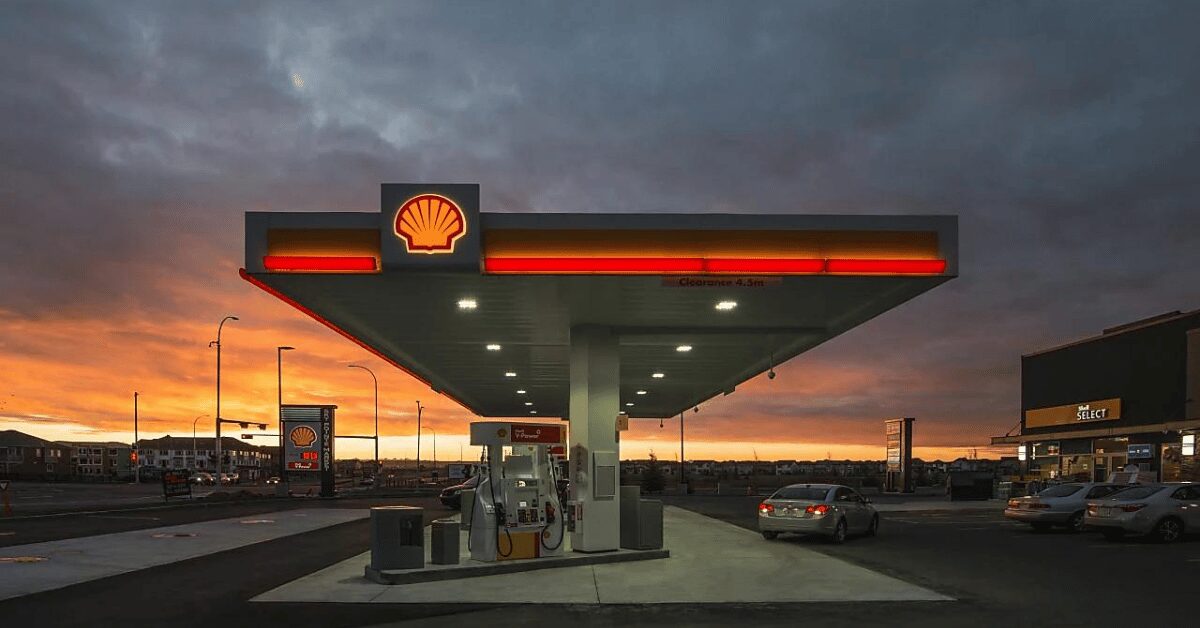
South Africa’s energy sector is undergoing a significant transition as Shell plc moves ahead with plans to exit its fuel retail market after more than a century of operations. The decision, which affects hundreds of petrol stations across the country, marks the end of a long-standing chapter in South Africa’s petroleum industry and raises important questions about what comes next.
Shell has confirmed that it is in the process of selling its downstream assets in South Africa, which include a network of nearly 600 petrol stations and associated operations. This follows a broader global strategy shift, where the company is streamlining its portfolio and focusing on higher-return areas within its business.
Having operated in South Africa since the early 1900s, Shell’s presence has been deeply embedded in the country’s fuel infrastructure, making its planned departure particularly significant.
At the core of this move is a global repositioning rather than a purely local issue. Shell has been reviewing its downstream and renewables businesses worldwide, choosing to divest from markets that do not align with its long-term financial and strategic priorities. For South Africa, this means the exit is less about immediate economic conditions and more about how multinational energy companies are reshaping themselves in a changing global energy landscape.
The scale of the exit is substantial. The assets up for sale represent a sizeable portion of South Africa’s fuel retail market, with estimates suggesting that a successful buyer could gain control of around 10% of the country’s petrol stations. This has already sparked interest from international traders and energy firms looking to expand their footprint in Africa’s most industrialised economy.
For everyday South Africans, the immediate impact may not be as disruptive as it sounds. Petrol stations are expected to continue operating under new ownership, meaning drivers are unlikely to see stations disappear overnight. However, the branding, supply chains, and long-term investment strategies behind these forecourts could change significantly.
The exit also highlights a broader trend within South Africa’s fuel sector. Over the past few years, the industry has seen major ownership changes, including the sale and rebranding of well-known fuel networks. This signals a shift away from traditional oil majors towards a more diverse mix of global traders, regional players, and potentially local investors.
There are also important economic implications to consider. Shell’s network supports thousands of jobs across urban and rural areas, and while transitions of this nature often aim to preserve employment, uncertainty remains during ownership changes. At the same time, some analysts argue that this moment presents an opportunity for increased local participation, transformation, and new business development within the sector.
From an industry perspective, Shell’s departure reinforces the reality that South Africa’s energy market is evolving. The country is increasingly reliant on imported refined fuel, especially after refinery closures in recent years, and this places greater importance on efficient distribution and retail networks. At the same time, global energy players are balancing traditional fuel businesses with investments in cleaner and more sustainable energy solutions.
For South Africa, the key question is not just why Shell is leaving, but who will step in next and how they will shape the future of fuel retail. Whether the outcome leads to greater competition, improved services, or stronger local participation will depend largely on the buyers and the strategies they bring to the market.
What is clear, however, is that this is more than just a corporate exit. It is a reflection of deeper structural changes in both the global energy sector and South Africa’s own economic landscape. As the country navigates energy security concerns, infrastructure challenges, and shifting investment patterns, the departure of a major player like Shell signals that a new era in fuel retail is already underway.

