


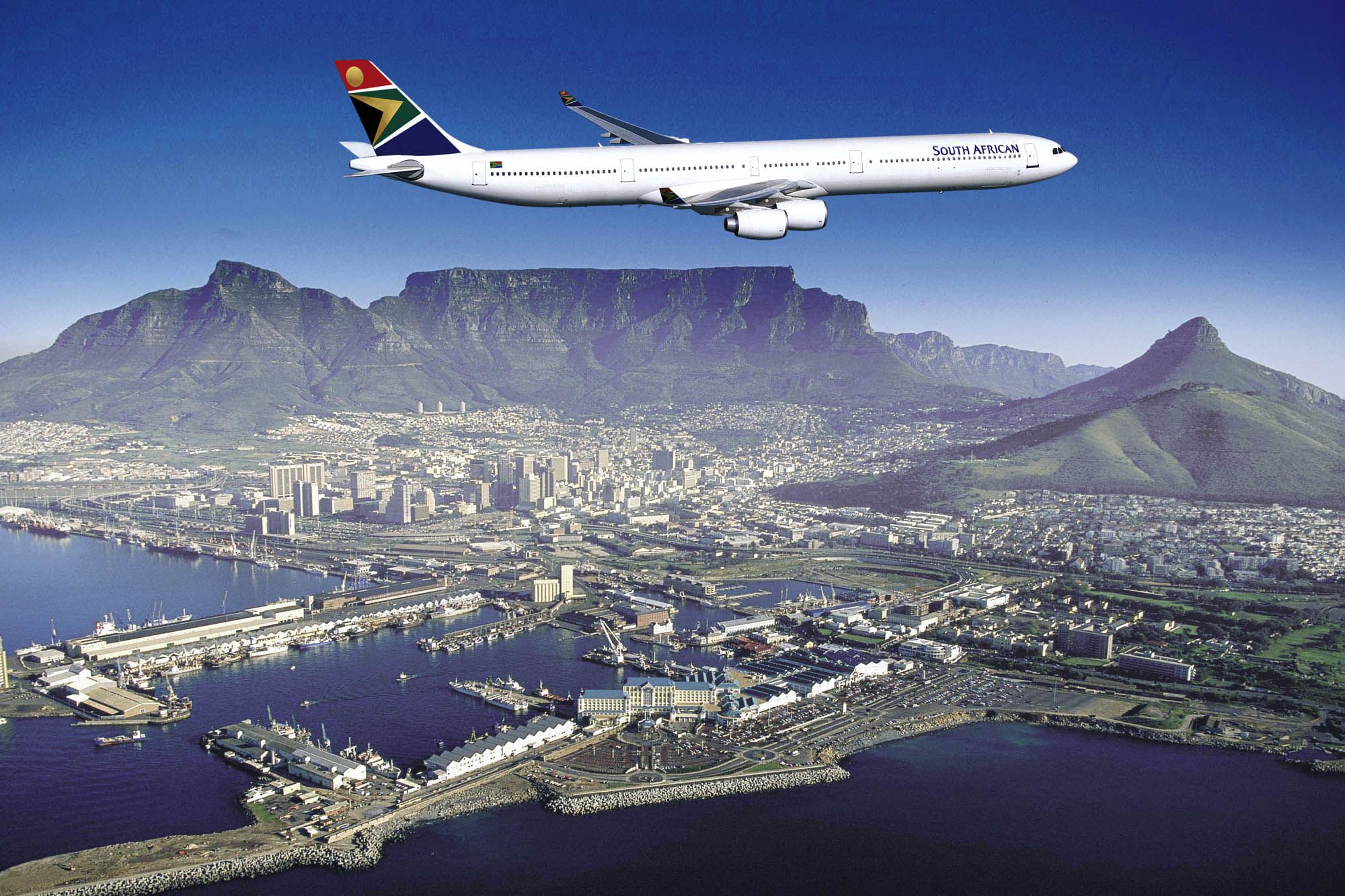
The ongoing Middle East crisis is reshaping global tourism patterns in ways few could have predicted, creating both disruption and opportunity across the travel industry. While the conflict has affected flight routes, airline operations, and traveller confidence, it is also quietly shifting global travel demand toward alternative destinations. South Africa, with its diverse tourism offering and relative distance from conflict zones, is emerging as a strong contender to benefit from this shift.
Recent tourism data shows that South Africa’s inbound travel recovery is continuing, but not evenly. In February 2026, total arrivals reached 864,534, reflecting a 13.1% year-on-year increase, and placing the country 8.5% above 2019 pre-pandemic levels. However, this growth is not being driven equally across all markets. African travellers remain the backbone of recovery, accounting for 640,781 arrivals, highlighting just how dependent the sector still is on regional travel flows.
The overseas market tells a more complex story. Total overseas arrivals stood at 222,978, which is only 3.3% above 2025 levels and still 9.5% below pre-pandemic volumes. This uneven recovery reveals a critical gap in long-haul tourism, where South Africa has not yet fully regained its international visitor base. It is within this gap that both risk and opportunity now sit for the tourism sector.
Not all source regions are recovering at the same pace. Europe is the strongest-performing overseas market, recovering to 95.7% of 2019 levels, indicating it is almost back to full pre-pandemic demand. However, Asia and the Middle East continue to lag significantly behind. Asia currently sits at 61.1% of pre-pandemic levels, while the Middle East is even further behind at just 49.3% recovery. These figures highlight a major imbalance in global travel recovery and reinforce why shifts in geopolitical stability can have an outsized impact on tourism flows.
The Middle East crisis adds another layer to this already uneven recovery landscape. The region has long served as a critical global aviation hub, connecting Africa, Europe, and Asia. With nearly half of Africa’s transit air traffic passing through Middle Eastern corridors, any instability has a direct knock-on effect on global travel patterns. As airlines adjust routes, avoid restricted airspace, and manage rising fuel costs, international travel becomes more expensive, less predictable, and in some cases significantly longer.
This disruption is influencing traveller behaviour in real time. Increasingly, tourists are prioritising destinations that offer safety, stability, and reliable infrastructure. As a result, long-haul destinations that were previously overlooked are now being reconsidered. South Africa is well-positioned in this regard, offering a combination of wildlife experiences, coastal tourism, cultural diversity, and established infrastructure that appeals to a wide range of international travellers.
However, the opportunity is not automatic. While demand shifts may benefit South Africa, the country still faces challenges in converting interest into actual arrivals. Higher flight costs, rerouted air traffic, and global uncertainty are contributing to delayed booking behaviour, with travellers increasingly waiting closer to departure dates before confirming trips. This makes forecasting more difficult for the tourism industry and adds pressure on pricing and capacity planning.
At the same time, rising operational costs across the aviation and hospitality sectors are also influencing competitiveness. Fuel price volatility and logistical disruptions are driving up international travel costs, which may limit accessibility for some budget-conscious travellers. Despite this, there is growing potential for South Africa to attract higher-value tourists who are reallocating travel plans away from affected regions.
There is also an increasing opportunity in long-haul markets that are still recovering slowly. With Asia at 61.1% and the Middle East at 49.3% of pre-pandemic levels, these regions represent significant untapped potential for future inbound growth. Meanwhile, Europe’s near-full recovery at 95.7% of 2019 levels signals a stabilising demand base that South Africa can further strengthen through targeted marketing and improved connectivity.
Ultimately, the Middle East crisis highlights how interconnected global tourism has become. A disruption in one region can quickly reshape travel behaviour across multiple continents, influencing everything from airline routes to destination choice. For South Africa, the current environment presents both a challenge and a window of opportunity. While uneven recovery and rising costs remain concerns, shifting global demand patterns could allow the country to strengthen its position as a leading long-haul destination.
If the tourism sector can respond strategically by improving accessibility, strengthening marketing in key source markets, and highlighting value and safety, South Africa has the potential to convert global uncertainty into sustained tourism growth.

