


For many South Africans, renewing a driver’s licence is one of those tasks that is easy to put off. It often means taking time off work, travelling to a Driving Licence Testing Centre (DLTC), standing in long queues, and hoping there are no system delays or printing problems.
That experience could soon become far less common. The government has approved plans to extend the validity period of certain driver’s licence cards from five years to 10 years, a move that has been welcomed by motorists and road organisations alike. The change is expected to benefit millions of South Africans who use their vehicles every day to get to work, take children to school, run businesses and travel between towns and cities.
However, motorists should note that the new system has not yet come into effect, and current renewal rules still apply.
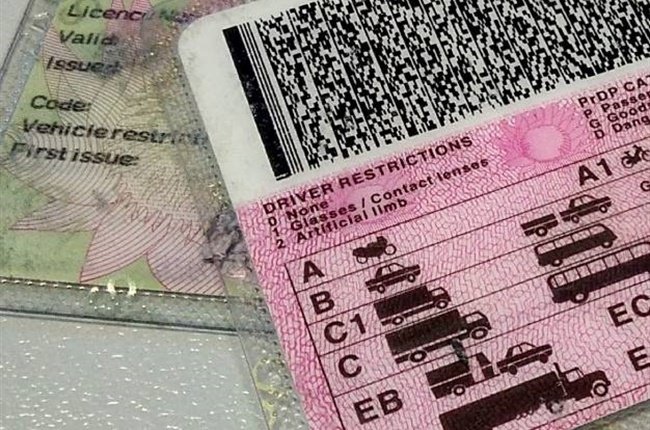
The proposed extension applies to light motor vehicle licences, including:
- Code A – Motorcycles
- Code A1 – Light motorcycles
- Code B – Light motor vehicles
- Code EB – Light motor vehicles with trailers
If the legal process is completed, holders of these licences will only need to renew their cards every 10 years instead of every five years.
Professional driving permits (PrDPs), heavy vehicle licences, and some public transport licences will continue to have shorter renewal periods due to additional safety and medical requirements.
South Africa’s current five-year renewal period has often been criticised for creating unnecessary administrative pressure.
Over the years, motorists have faced challenges including long queues at licence centres, delays in booking appointments and backlogs caused by problems with the country’s driver’s licence card printing machine.
Extending the validity period could help reduce pressure on licensing centres while saving motorists both time and money. For an ordinary South African driver, the change means fewer trips to renewal offices, fewer days taken off work and lower renewal costs over time.
Road organisation OUTA has welcomed the decision, saying a longer validity period is in line with practices used in many other countries. The organisation argues that there is little evidence to suggest that renewing licence cards more frequently leads to safer roads.
Although the Cabinet has approved the extension, the law has not yet changed. The Department of Transport still needs to complete legislative amendments before the 10-year validity period officially takes effect. This means that if your driver’s licence card is due to expire, you should continue following the current five-year renewal system.
Driving with an expired licence can lead to fines and unnecessary complications, particularly when dealing with insurance claims or roadblocks. For many South Africans, this announcement is about more than just administrative changes. It is about making everyday life a little easier.
Whether you are a worker commuting every day, a parent driving children to school, a small business owner making deliveries or someone travelling long distances between provinces, renewing a driver’s licence less often could save valuable time and reduce frustration.
If the legal process is finalised, the move to a 10-year driver’s licence validity period could become one of the most practical changes for South African motorists in years.

